
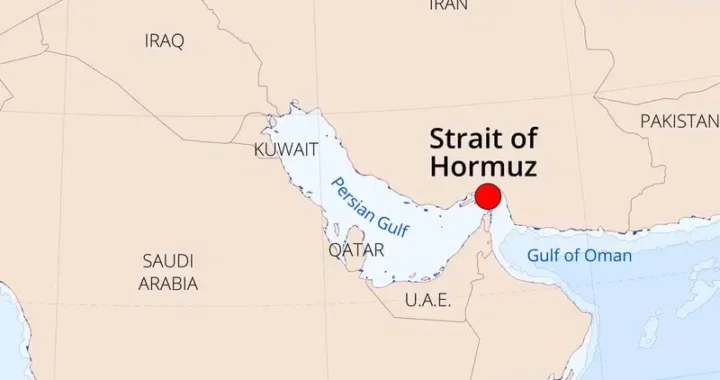
The delicate thread holding global energy security together has snapped once again in the Middle East as Iran announces the total closure of the strategic Strait of Hormuz, directly threatening the stability of global oil shipments and sending shockwaves through international markets.
The Pivot point: Ceasefire Collapse Triggers Maritime Blockade
In a sudden escalation of regional tensions, the Khatam al-Anbiya Central Headquarters—Iran’s central military command—announced on Saturday morning, June 20, 2026, that the Strait of Hormuz is closed to all vessel traffic.
The decision marks a volatile reversal of diplomatic progress. The vital maritime corridor had only just reopened on June 18, 2026, following a newly minted US-Iran ceasefire agreement signed earlier that week.
Tehran has declared that any ships attempting to approach the restricted waters will be targeted.
“Iran says Hormuz Strait closed over Israel attacks on Lebanon,” AFP reported directly from Tehran, confirming the official position of the Islamic Republic
Critical Corrections: The True Cause of the Closure
While early global reports erroneously claimed the closure was due to a direct, continuing attack on Iranian soil, verified intelligence paints a more complex diplomatic breakdown. Iranian authorities explicitly cited two primary catalysts for the blockade:
For all breaking news and latest gist:
👉 JOIN GISTSMATE WHATSAPP CHANNELIsraeli Ceasefire Violations: Ongoing military attacks by Israel on southern Lebanon.
United States Breach of Faith: A failure by Washington to implement Clause 1 of the newly signed, war-ending Memorandum of Understanding (MoU).
Economic Impact: A Threat to Global Reserves
The economic implications of this development cannot be overstated. Analysts have already flagged this closure as potentially the “largest oil disruption in history” due to the narrow waterway’s sheer strategic importance to global supply chains.
The Nigerian Perspective: Fuel Prices and Fiscal Realities
For Nigeria, an OPEC member-state navigating its own domestic economic reforms, the closure of the Strait of Hormuz presents a double-edged sword.
While a contraction in global oil supply historically drives up crude prices—potentially boosting Nigeria’s foreign exchange earnings—the corresponding surge in refined petroleum landing costs could apply severe fiscal pressure on domestic fuel pricing and inflation.
WARNING: If You Are Not 18+, Don’t Click The Link Below 👇🫣
Did you want to monetize your website, join MONETAG or ADSKEEPER and start earning
Please don’t forget to “Allow the notification” so you will be the first to get our gist when we publish it.
Drop your comment in the section below, and don’t forget to share the post.
Never Miss A Single News Or Gist, Kindly Join Us On WhatsApp Channel:
https://whatsapp.com/channel/0029Vad8g81Eawdsio6INn3B
Telegram Channel:
https://t.me/gistsmateNG