
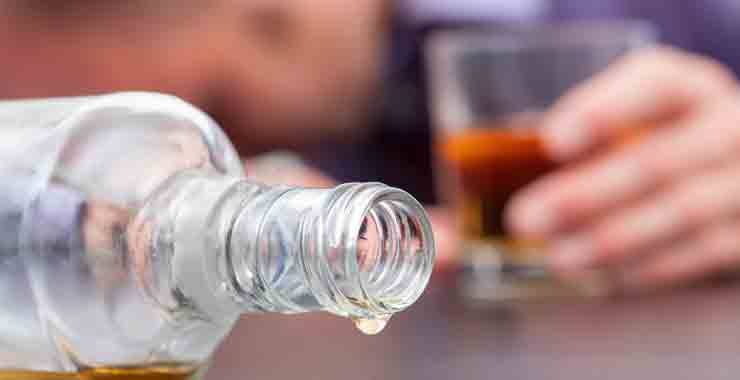
A recent study has found that cutting back on or quitting alcohol early enough may help slow, halt, or even reverse some of the harm caused by drinking.
Published in the journal Addiction, the research drew on global disease classifications, previous studies on alcohol’s effects, and existing evidence about the reversibility of alcohol-related damage.
The study indicates that over 60 diseases and injuries are entirely attributable to alcohol consumption, especially heavy drinking.
These include alcoholic cardiomyopathy, liver conditions like cirrhosis, and fetal alcohol syndrome.
Alcohol also raises the risk of infectious diseases such as tuberculosis, pneumonia, HIV/AIDS, and other STIs by impairing liver function and weakening the immune system
Jürgen Rehm, a senior scientist at the Institute for Mental Health Policy Research in Toronto, explained that without alcohol use, these conditions would not exist.
For all breaking news and latest gist:
👉 JOIN GISTSMATE WHATSAPP CHANNEL“These conditions are 100% alcohol attributable, meaning these diseases would not even exist in the world without alcohol use,” he said.
However, he noted that other illnesses, like breast cancer, other cancers, heart disease, stroke, diabetes, and dementia, can occur without alcohol, though drinking still contributes significantly to many cases.
The study suggests that the health effects of alcohol can be reversible, but not always.
When it comes to cancer, alcohol is the third-leading preventable cause in the U.S., behind tobacco and obesity.
All types of alcohol can damage DNA and fuel chronic inflammation. Quitting may slow cancer progression, but it’s not a guaranteed fix, some damage may already be too advanced.
According to the study, some heart-related effects, however, can be reversed. Reducing alcohol intake lowers heart disease risk by preventing short-term issues like alcohol-induced increases in heart rate.
The research found that alcohol also harms the brain by affecting neurons and their connections, leading to shrinkage, especially in areas tied to memory and decision-making.
These changes are complex and only partially reversible, though long-term abstinence may bring some recovery. Still, risks like dementia may persist.
Short-term dangers, such as injuries or STIs, occur mainly during intoxication and decrease when drinking stops.
Alcohol also temporarily weakens the immune system. While long-term abstinence can improve immune function, these effects are only partially reversible and depend on how much and how long a person drank. Long-term heavy drinking, however, can leave lasting damage.
WARNING: If You Are Not 18+, Don’t Click The Link Below 👇🫣
https://wrathful-piano.com/zBn8jS
Did you want to monetize your website, join MONETAG or ADSKEEPER and start earning
Please don’t forget to “Allow the notification” so you will be the first to get our gist when we publish it.
Drop your comment in the section below, and don’t forget to share the post.
Never Miss A Single News Or Gist, Kindly Join Us On WhatsApp Channel:
https://whatsapp.com/channel/0029Vad8g81Eawdsio6INn3B
Telegram Channel:
https://t.me/gistsmateNG