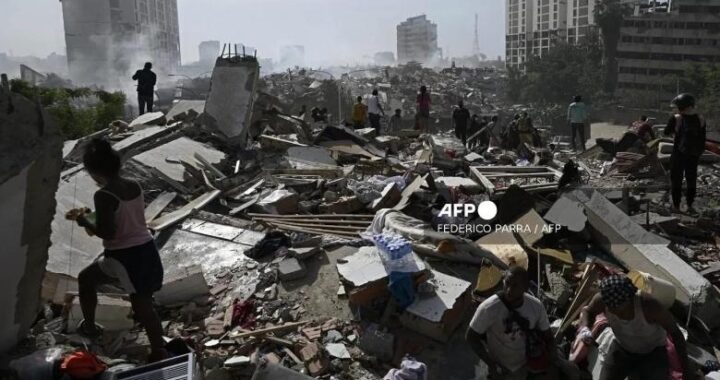
The recent coordinated military strikes on Iran by the United States and Israel have once again drawn global attention to the sensitive issue of nuclear weapons and the countries that possess them.
On Saturday, the United States and Israel launched strikes on Iran, marking a sharp escalation in tensions that had been building for months over Tehran’s nuclear programme, regional influence, and stalled diplomatic negotiations.
For years, the United States and Israel have accused Iran of seeking the capability to develop nuclear weapons. Tehran has repeatedly denied the allegation, maintaining that its nuclear activities are strictly for civilian energy purposes.
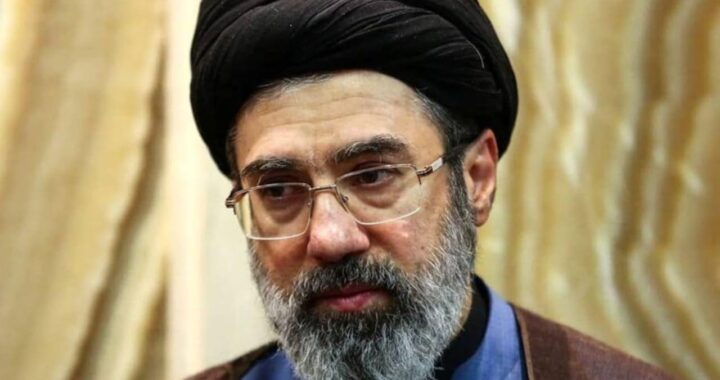
Debunking the claim again recently, Iran’s President, Masoud Pezeshkian, said, “Our Supreme Leader has already stated that we will not have nuclear weapons at all,” in reference to Ayatollah Ali Khamenei.
However, Washington insists that Iran’s uranium enrichment activities and missile development programme pose a strategic threat to its allies in the Middle East and beyond.
Israel, which considers Iran its most significant regional adversary, has consistently warned that it would take military action to prevent Tehran from becoming a nuclear-threshold state.
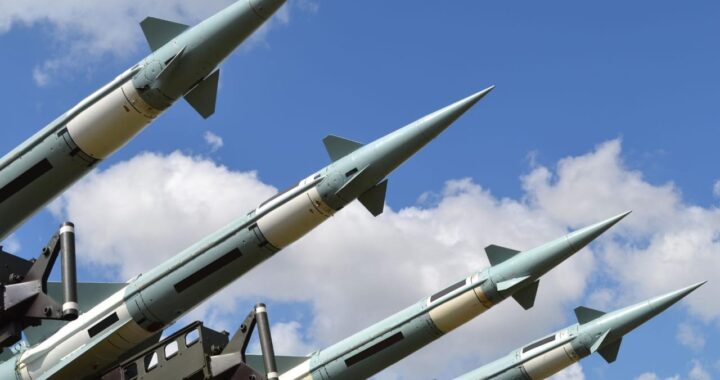
Against this backdrop, Tribune Online takes a look at the nine countries that currently possess nuclear weapons, according to the Union of Concerned Scientists.
United States
The United States possesses one of the world’s largest nuclear arsenals, with about 5,400 nuclear weapons, including roughly 1,744 that are deployed and ready for use. These weapons are stationed in submarines, missile silos across several Great Plains states, and air force bases where they can be carried by long-range bombers. Around 100 American nuclear bombs are also deployed at airbases in five European countries. Many of the weapons remain on high alert, allowing them to be launched quickly following a presidential order.
Russia
Russia holds the largest nuclear arsenal in the world, with about 6,000 nuclear warheads, including around 1,584 that are deployed. Together, Russia and the United States account for more than 90 per cent of the world’s nuclear weapons. Arms control between the two countries has slowed in recent years, especially after the suspension of the New START treaty implementation amid tensions linked to Russia’s war in Ukraine.
China
China developed nuclear weapons during the Cold War and has maintained a relatively smaller but steadily expanding arsenal. Estimates suggest the country possesses about 410 nuclear warheads, although some projections indicate the figure may have reached 500. China is strengthening its nuclear triad and constructing new intercontinental ballistic missile (ICBM) silo fields. Unlike the United States and Russia, China maintains a “no-first-use” policy and does not keep most of its nuclear warheads attached to missiles during peacetime.
United Kingdom
The United Kingdom has an estimated 120 operationally available nuclear warheads, with about 40 deployed at any given time. All of its nuclear weapons are sea-based and carried by Trident submarine-launched ballistic missiles obtained from the United States. The UK government has also raised its maximum nuclear warhead ceiling to 260, reversing an earlier commitment to cap the arsenal at 180.
France
France maintains an estimated 290 nuclear weapons, most of which are deployed on submarines while the remainder are carried on air-launched cruise missiles. The country describes its nuclear deterrence strategy as defensive, though it does not rule out the possibility of using nuclear weapons first in what it calls extreme circumstances of legitimate self-defence.
North Korea
North Korea is believed to have produced enough nuclear material for between 45 and 55 nuclear warheads and may have already assembled between 20 and 30 weapons. The country has also continued developing long-range missile technology, although the full extent of its capabilities remains uncertain. Its nuclear programme has remained a major security concern in East Asia.
India
India is estimated to possess around 160 nuclear weapons and continues to expand its arsenal. While its nuclear programme historically focused on tensions with Pakistan, India has also become increasingly concerned about its strategic rivalry with China, contributing to the complex nuclear balance in the region.
Pakistan
Pakistan is believed to have about 170 nuclear weapons and continues to increase its stockpile. Analysts say the future size of Pakistan’s arsenal largely depends on India’s military developments. The country has also placed growing emphasis on short-range tactical nuclear weapons, raising concerns about the potential lowering of the threshold for their use.
Israel
Israel has never officially confirmed possessing nuclear weapons, but it is widely believed to maintain about 100 nuclear warheads. The country’s policy of nuclear ambiguity has long been part of its security strategy, although the existence of its arsenal has influenced regional debates about nuclear capability and deterrence in the Middle East.
WARNING: If You Are Not 18+, Don’t Click The Link Below 👇🫣
https://emitprocured.com/u36k6hvh?key=9d5a995551042f49ca200d04746b52ad
Did you want to monetize your website, join MONETAG or ADSKEEPER and start earning
Please don’t forget to “Allow the notification” so you will be the first to get our gist when we publish it.
Drop your comment in the section below, and don’t forget to share the post.
Never Miss A Single News Or Gist, Kindly Join Us On WhatsApp Channel:
https://whatsapp.com/channel/0029Vad8g81Eawdsio6INn3B
Telegram Channel:
https://t.me/gistsmateNG