A 32-year-old Nigerian man earlier reported dead in the ongoing war in Ukraine has been found alive, after being captured by Ukrainian troops in January.
Balogun Adisa Ridwan, who had travelled to Russia in search of employment, was listed among Nigerians allegedly killed in the conflict.
His name circulated in media reports in February, with claims that he and three others, namely Adam Anas, Akinlawon Tunde Kuyum, and Abugu Stanley Onyeka, had died after being recruited under false pretenses and sent to the battlefield.
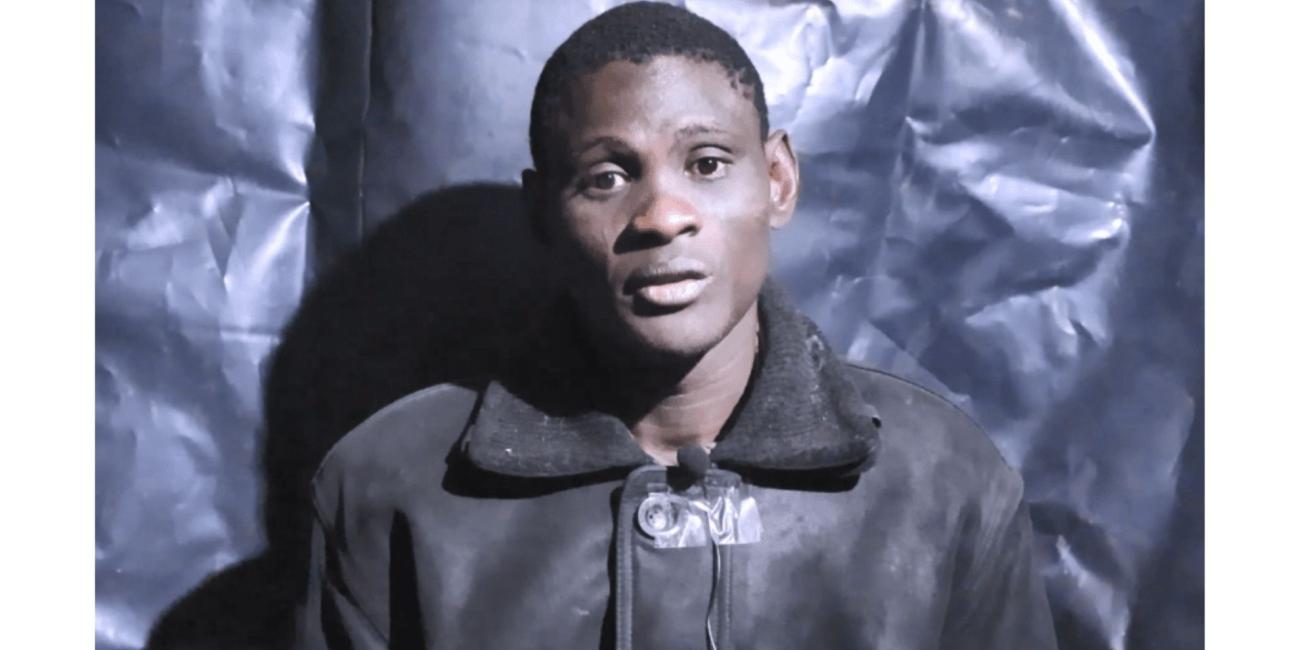
But Balogun is not dead, according to a report by United24Media.
Instead, he had been taken prisoner by Ukrainian forces near the city of Lyman in the Donetsk region on January 13, 2026, after surrendering at the front lines. From captivity, he would later learn that he had already been declared dead back home in Nigeria.
Balogun had travelled to Russia on a tourist visa, hoping to secure work as an engineer. According to his account, he was promised employment but later found himself at a military base where he signed documents he could not understand due to language barriers.
Without access to a translator or his phone, which he said was confiscated, he became part of a group of foreign recruits deployed to the war front after only weeks of training.
“The day we were signing the contract, I didn’t understand the language,” Balogun says. “They didn’t allow us to use our phones to translate, so we signed our contracts. I told them already about my job. Maybe they were going to put me in my field. I didn’t know they would use me.”
Faced with combat, Balogun said he and another foreign recruit made the decision to surrender immediately upon encountering Ukrainian troops.
“I was lucky to be captured by the Ukrainians. They are good people,” Balogun said.
He described his treatment in custody as humane, stating that Ukrainian soldiers did not harm him and instead provided clothing, warm shelter, and food. According to him, the capture ultimately saved his life.
“They told us to stand up and go with them,” Balogun says. “Ukrainians did not harm us or hurt us; When we got to their base, we were welcome—giving us what to dress in, coffee, kept us in a warm place for us to be calm. We were ok. They made sure we were ok, that we wouldn’t panic. They were really nice to us. I really appreciate that.”
While he remained in captivity, news of his supposed death spread in Nigeria. Reports claimed that information about the deaths of foreign recruits had emerged from a secret WhatsApp group allegedly created by African fighters involved in the war. His inclusion on the list left family and friends believing he had been killed in action.
Now confirmed alive, Balogun is seeking permission to return to Nigeria.
He insists he travelled abroad strictly in search of civilian employment and was misled into military service.
His case highlights growing concerns over the recruitment of foreign nationals under unclear circumstances amid the ongoing conflict between Russia and Ukraine.
For Balogun, survival has come with a surreal twist, outliving his own obituary. Once mourned as a casualty of war, he now faces the complex path of proving he was not a willing combatant, but a victim of deception who lived to tell the story.
“I travelled to Russia on a tourist visa to find a job,” says Balogun. “The government of Russia grossly fooled me, turned me into a soldier, and sent me to war in Ukraine.”
“I appeal to my government, to my president, Bola Ahmed Tinubu. Forgive your son. I left home to feed my family. It did not work out the way I wanted. I went to have a job as a mechanic or engineer. The Russian government totally fooled me,” he says.
On Sunday, SaharaReporters reported that the Nigerian Government had warned its citizens against being illegally recruited to participate in foreign armed conflicts.
The Ministry of Foreign Affairs described the cases as alarming and said it was taking steps to protect Nigerians abroad.
Reports indicate that some Nigerian nationals were allegedly recruited under false pretences, including promises of lucrative employment, security jobs, educational opportunities, or migration incentives.
Explaining the risks involved, the Ministry in a statement on Sunday emphasised the legal and personal dangers for citizens who engage in such activities.
On measures being taken to respond to the trend, the Ministry said it was working with domestic and international partners to investigate these developments.
The government also called on parents, guardians, community leaders, and educational institutions to educate young Nigerians about deceptive recruitment schemes.
WARNING: If You Are Not 18+, Don’t Click The Link Below 👇🫣
https://troubleduseful.com/u36k6hvh?key=9d5a995551042f49ca200d04746b52ad
Please don’t forget to “Allow the notification” so you will be the first to get our gist when we publish it.
Drop your comment in the section below, and don’t forget to share the post.
Never Miss A Single News Or Gist, Kindly Join Us On WhatsApp Channel:
https://whatsapp.com/channel/0029Vad8g81Eawdsio6INn3B
Telegram Channel:
https://t.me/gistsmateNG