In a political system where outcomes rarely surprise, North Korea has once again delivered near-total electoral support for its leadership.
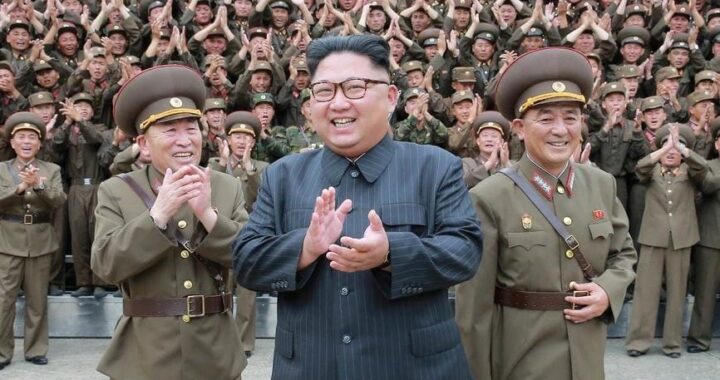
The 2026 parliamentary elections have reinforced Kim Jong Un’s dominance, but this time, a sweeping reshuffle and subtle signals in voting patterns are drawing global attention to what lies ahead for the isolated state.
North Korea Elections Result 2026: Perfect Victory for Kim Jong Un
According to reports cited by Yonhap News Agency, the ruling Workers’ Party of Korea and its allies secured 99.93% of the vote, winning all 687 seats in the Supreme People’s Assembly. Authorities reported a turnout of 99.99%, underlining the tightly controlled nature of the electoral process.
The vote, held on March 15, selected deputies for the 15th Supreme People’s Assembly, which will soon convene in Pyongyang. The session will formally decide key leadership positions and discuss potential constitutional changes.
North Korea Elections Result 2026: Massive Reshuffle Points to Power Consolidation
One of the most striking developments in this election is the scale of internal change. Over 70% of deputies are new faces, signalling a major restructuring within the political system.
Experts believe this reshuffle allows Kim to eliminate older power centres and bring in loyal figures. Among the prominent names is Jo Yong-won, a close aide to Kim, who is expected to take a top parliamentary role.
Meanwhile, veteran leader Choe Ryong-hae has been removed from key positions and excluded from the new list—an indication of shifting internal dynamics.
Kim’s sister, Kim Yo-jong, and Foreign Minister Choe Son-hui are also among the newly elected deputies, further strengthening the inner circle.
North Korea Elections Result 2026: What Will the North Korean Assembly Decide after This Election?
The upcoming parliamentary session is expected to reappoint Kim as head of the State Affairs Commission, reaffirming his status as the country’s supreme leader.
More importantly, lawmakers may revise the constitution to redefine relations with South Korea. Observers suggest that North Korea could formally declare the South as a hostile state, marking a significant policy shift.
The assembly will also outline future directions in foreign policy, which could impact regional stability.
North Korea Elections Result 2026: Why Is There No Opposition Party in North Korea?
North Korea operates under a one-party dominant system led by the Workers’ Party of Korea. While a few minor parties exist, they function under the control of the ruling alliance and do not offer real political competition.
The state tightly controls candidate selection, media, and public expression. Citizens usually have only one approved candidate per constituency, leaving no room for genuine electoral choice.
Elections are not conducted through secret ballots in the way most democracies operate. Instead, they serve as a mechanism to demonstrate unity and endorse decisions already made by the leadership.
North Korea Elections Result 2026: If No Opposition, then Where Did the 0.07% ‘Against’ Votes Go?
Even though North Korea does not have a real opposition system, the reported 0.07% votes against the candidates do not indicate genuine political competition. In North Korean elections, each constituency usually has only one state-approved candidate backed by the ruling Workers’ Party of Korea.
Voters technically have the option to reject the candidate, but doing so requires a separate, non-secret process that can expose them to scrutiny.
Because of this, most experts believe the small percentage of “against” votes is largely symbolic. Authorities likely include such figures to create an appearance of democratic choice and controlled dissent. In reality, the system remains tightly managed under Kim Jong Un, where elections function more as a formal endorsement of leadership decisions rather than a platform for political opposition.
North Korea Elections Result 2026: A “Rubber-Stamp” Parliament with Real Purpose
Although many describe the Supreme People’s Assembly as a rubber-stamp body, it plays a crucial role in formalising decisions taken by the leadership. “While the assembly is frequently characterised as a rubber-stamp parliament, it remains the essential body for legalising decisions made by the ruling party leadership.”
In effect, the institution provides legal backing to policy changes and leadership appointments. Interestingly, state media reported that 0.07% of voters opposed the candidates. Analysts view this as a calculated move to project an image of limited dissent.
“According to Yonhap News Agency, the KCNA reported that 0.07 per cent of the electorate voted against the candidates.” This small figure may aim to create the impression of democratic participation, even though experts widely consider the system non-competitive.
WARNING: If You Are Not 18+, Don’t Click The Link Below 👇🫣
https://emitprocured.com/u36k6hvh?key=9d5a995551042f49ca200d04746b52ad
Did you want to monetize your website, join MONETAG or ADSKEEPER and start earning
Please don’t forget to “Allow the notification” so you will be the first to get our gist when we publish it.
Drop your comment in the section below, and don’t forget to share the post.
Never Miss A Single News Or Gist, Kindly Join Us On WhatsApp Channel:
https://whatsapp.com/channel/0029Vad8g81Eawdsio6INn3B
Telegram Channel:
https://t.me/gistsmateNG