
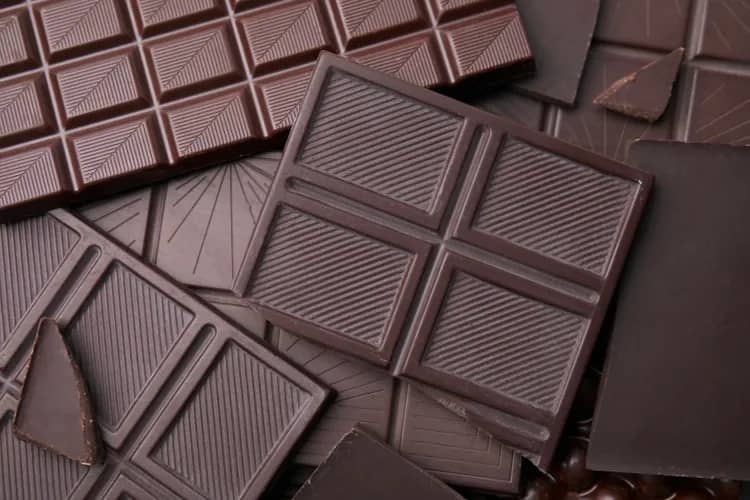
A new study linked higher levels of theobromine, a compound found in dark chocolate, to slower biological aging.
Theobromine may support longevity by reducing inflammation, protecting cells from damage, and supporting heart and brain health.
The research only shows an association, not causation, but experts say dark chocolate can be part of a healthy diet in moderation.
Good news for dark chocolate lovers: The dessert may help slow down biological aging. A new study, published in early December in Aging, linked a plant compound in cocoa called theobromine to slower biological aging—how old your body seems, rather than your chronological age.1 While the research only shows a correlation, not causation, the study adds to existing research linking the compounds in dark chocolate to longevity.
Exploring Theobromine’s Impact on Biological Aging
Theobromine is a natural compound found in cocoa beans, cola nuts, and tea—though it’s most abundant in dark chocolate, Qianzhi Jiang, PhD, RD, founder of The Nutrition Changer, told Health. It’s the key compound that gives dark chocolate its bitter taste (and makes chocolate poisonous to dogs). Research has previously revealed links between theobromine and extended lifespan in worms, and the compound has also been associated with heart health benefits in people.23
The researchers behind the Aging study set out to explore whether theobromine might promote longevity in humans. To do this, they used data from two longstanding European cohorts, TwinsUK and KORA, which provided blood samples for a total of 1,669 people.
Using these samples, the researchers performed two tests to assess biological age, then compared the results with the level of theobromine in subjects’ blood. In both tests, participants with higher theobromine levels had a lower biological age than their actual age. Diet questionnaires confirmed that theobromine levels were associated with chocolate consumption.
But it’s important to note that these results don’t mean theobromine (or chocolate) directly pumps the brakes on the aging process, said David Church, PhD, assistant professor at the Institute on Aging at the University of Arkansas for Medical Sciences. “In general, it is really difficult with an association to discern causation,” he told Health. “Theobromine itself is not proven to slow overall biological aging, but mechanistic and epidemiological data suggest it could contribute.”
How Might Theobromine Slow Down Aging?
Although causation hasn’t been proven, a few factors could be behind theobromine’s potential effects on biological aging.
First, the compound may impact aging on a genetic level. Our DNA changes as we age, and genes linked to inflammation and cellular damage tend to become more active. It’s possible that theobromine could alter or slow these changes by “turning on” more protective genes.
“Phytochemicals like theobromine can … affect how one’s DNA wraps around, is ‘decorated,’ and interacts with different molecules without changing the sequence of the DNA,” Jiang explained. The Aging study also suggests that theobromine may be linked to longer telomeres—the caps at the ends of chromosomes that help protect DNA—though more research is needed.
Theobromine also has antioxidant properties that help fight inflammation, according to Lindsay Fencl, RD, CD, dietitian at Aurora BayCare Medical Center. This effect supports cardiometabolic health (of your heart, blood vessels, and metabolic system) since “chronic inflammation accelerates cellular aging, lowers immunity, promotes obesity, and increases risk of developing chronic disease throughout life,” she told Health.
The compound may also benefit brain health, according to a 2024 study. Evidence is still emerging, but theobromine may enhance cognition and help protect against age-related declines.4
Does This Mean You Should Eat More Dark Chocolate?
As much as we might like to interpret the findings of the Aging research as “eating dark chocolate makes you live longer,” that’s not necessarily true.
“The study doesn’t show that eating more chocolate automatically slows aging, so there’s no need to rush out to purchase dark chocolate,” Amy Brownstein, MS, RDN, a San Francisco Bay-based dietitian, told Health. Church emphasized that further clinical trials are needed to draw any firm conclusions about theobromine and longevity.
Still, considering the additional antioxidant benefits of dark chocolate, Fencl said it can certainly be part of a healthy diet—just be mindful of portions.
“Choose varieties with 70% cacao or higher, which provide more antioxidant compounds like theobromine, flavonoids, and polyphenols, in addition to providing less sugar,” she said, adding, “typically, 1 to 2 ounces or 1/4 cup is a great amount to enjoy its benefits without excessive calories.”