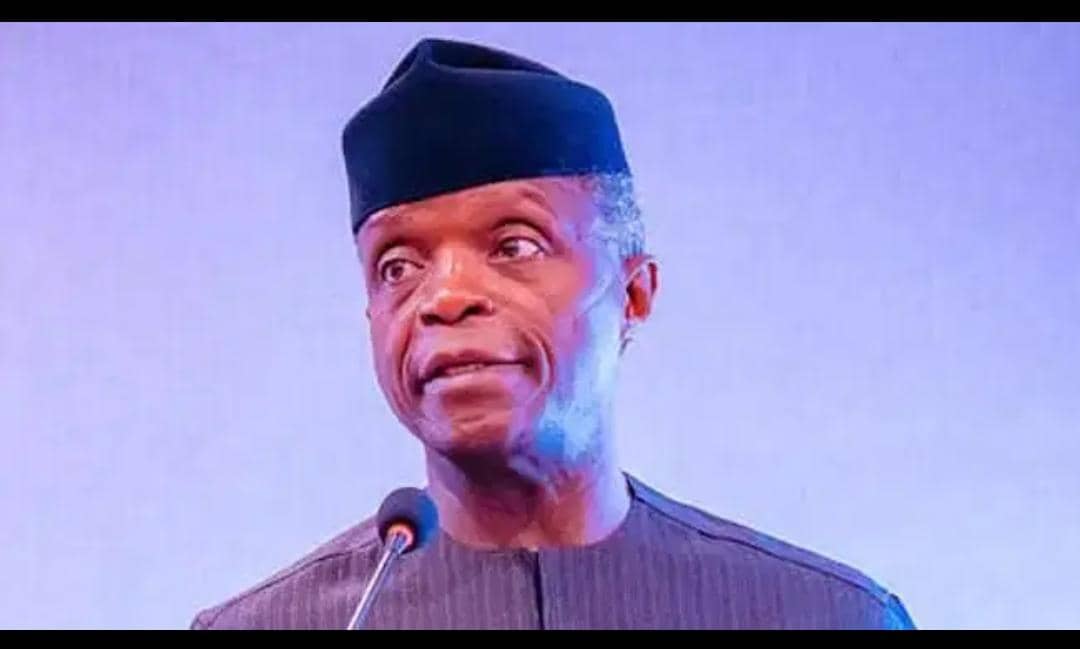

A Professor of Political Science and Rector of Kogi State Polytechnic, Lokoja, Salisu Ogbo Usman, has recommended the death penalty for Nigerians found guilty of corruption.
The Rector also advocated that corrupt practices should be rated as a capital offence in Nigeria’s legal system so as to discourage people from embarking on the negative trend which has caused havoc, devastating effect and setbacks for the nation’s growth.
Usman made the call while delivering the 37th Inaugural Lecture Series of the Federal University, Lokoja, on Thursday, at its Adankolo Campus.
The rector, in his lecture titled ‘Corruption Versus Corruption: Unpacking The Wuru-Wuru of the Anti-Corruption Crusade In Nigeria’, lamented the menace of corruption in Nigeria’s political and socio-economic landscape.
ICPC boss urges stronger anti-corruption frameworks at UN conference
According to Usman, the time has come for the Nigerian Government to tackle the development, which he said has battered the image of the country globally.
He noted that the manifestation of corruption in Nigeria was a result of scarcity of living essentials (including clean water), which creates fertile ground for corruption. Basic amenities like boreholes become “democracy dividends” used for political leverage.
“Growing spirit of materialism and craze for wealth in society. As society modernises, emphasis shifts from ascribed status to achieved status, often through corrupt means.
“Market women who adjust the bottom of measuring plates to cheat their numerous customers refer to elected and appointed officials… as ‘thrieves’. To the roadside mechanic who makes a booming business from connivance… civil servants are ‘pen robbers.’ In fact, Police personnel who obtain the ‘normal’ twenty naira at the checkpoint believe that their wives are cheats… It goes on in circles…
“…Hospital where the nurses require a fee from every in-patient before the prescribed medicine is given, and even the ward servants must have their ‘dash’ before bringing the bed-pan; it is known to be rife in the Police Motor Traffic Unit… pay clerks make a deduction from the wages of daily paid staff; produce examiners exact a fee from every bag that is graded and sealed; domestic servants pay a proportion of their wages to the senior of them…”
Usman also observed “That corruption persists in Nigeria despite numerous agencies, because of the politicisation of anti-corruption agencies (targeting opponents), and abuse of plea bargains as escape routes for the wealthy.
“Reframe anti-corruption efforts beyond performative campaigns; shift focus from targeting individuals to systemic reform and prevention.
“Strengthen institutions through genuine autonomy, transparency, checks and balances, and taxation-based accountability to reduce reliance on resource rents.
“Diversify the economy to create productive opportunities outside the state sector, coupled with equitable distribution of resources to reduce desperation.
“Prioritise ethical reorientation and civic values restoration to rebuild the moral compass of society across all strata.
“We must reject ‘Wuru-Wuru’ and ‘Paddy-paddy’ arrangements. As Fela Kuti and African China sang, and as holy books admonish, true change requires sincerity, not just rhetoric. The ‘Beautyful Ones’ must be born now.”
In his welcome address, the Vice Chancellor of the Federal University, Lokoja, Professor Olayemi Akinwumi, disclosed that the inaugural lecture is a major tradition of the system that provides our professors the opportunity to share the fruits of years of teaching, research and reflection.
“This tradition allows the university to present its intellectual strength to the public. More importantly, they help bridge the gap between the classroom and the wider society by translating scholarship into insight that can inform policy, practice and personal conviction.
“Through inaugural lectures, we celebrate academic excellence and reaffirm the role of the university as the conscience of society.
“Indeed, If there is any time we need a lecture of this nature, it is now. Our nation continues to wrestle with the challenge of corruption, and equally with the contradictions that often surround the fight against it.
“The theme before us speaks directly to our lived realities. It invites us to look beyond slogans and headlines, and to examine the structures, motives and practices that shape our anti-corruption efforts.
“More importantly, it reminds us that the fight against corruption is not the duty of government alone. As a university and as academics, we must be ready and committed to contribute our quota to nip corruption in the bud.
“Through our teaching, our research, our administrative conduct, and our daily interactions, we must model integrity, transparency, and accountability. We must raise a generation that not only condemns corruption in words, but rejects it in practice”
WARNING: If You Are Not 18+, Don’t Click The Link Below 👇🫣
https://troubleduseful.com/kx6iepv2qm?key=6c14bd1d68e1eba721851f19778f5efe
Please don’t forget to “Allow the notification” so you will be the first to get our gist when we publish it.
Drop your comment in the section below, and don’t forget to share the post.
Never Miss A Single News Or Gist, Kindly Join Us On WhatsApp Channel:
https://whatsapp.com/channel/0029Vad8g81Eawdsio6INn3B
Telegram Channel:
https://t.me/gistsmateNG